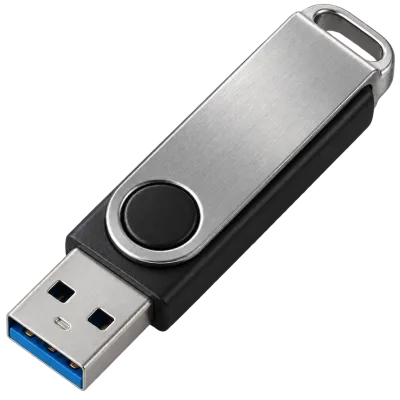
NAND flash is a type of non volatile memory chip, meaning it retains stored data even when power is removed. It is the core storage technology inside USB flash drives, SD cards, and both internal and external solid state drives, including the SSDs found in modern laptops and used in many external storage products.
NAND flash has no moving parts, unlike a traditional spinning hard drive, which makes it more resistant to shock and generally much faster for reading and writing small pieces of data. However, individual memory cells inside a NAND chip have a finite number of write cycles before they wear out, which is why endurance ratings such as TBW matter for heavily used drives.
Different qualities of NAND flash exist, generally trading some endurance and speed for lower cost as more data is packed into each cell, which is one reason why prices and lifespans can vary between similarly sized flash drives. See our guide to USB flash drives for buying guidance.