A USB host is the device that takes charge of a USB connection. It initiates communication, supplies the timing for data transfer, and typically also provides power to the devices attached to it. A laptop or desktop computer is the most familiar example of a USB host.
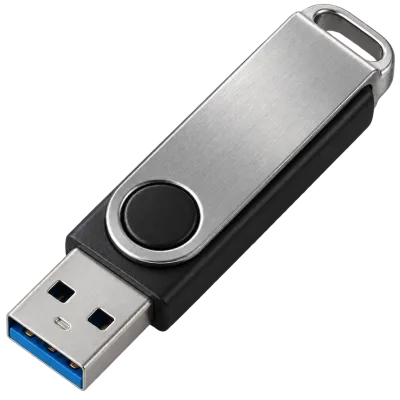
By default, phones and tablets act as a USB device rather than a host when connected to a computer, but many can switch roles using USB On-The-Go, letting a phone act as the host for a connected flash drive or keyboard. A single USB connection normally has exactly one host and one or more devices attached through hubs.
Understanding the host and device roles helps explain some everyday USB behaviour, such as why a printer needs to be connected to a computer rather than directly to another printer, since printers are devices, not hosts. See our USB troubleshooting guide for related practical tips.