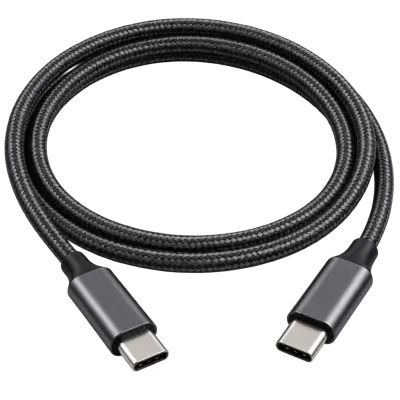
Thunderbolt is a high performance interface originally developed by Intel in partnership with Apple. From Thunderbolt 3 onward it moved to the USB-C connector, and its underlying technology became the basis for the USB4 standard, which is why modern USB-C ports can support both.
Thunderbolt is commonly used for connecting external displays, docking stations, high speed external storage and, on some systems, external graphics cards. Thunderbolt 4 and the newer Thunderbolt 5 add stricter minimum requirements than plain USB4, such as guaranteed video and data bandwidth, which is why Thunderbolt certified cables and devices are seen as a safer bet for demanding setups.
Because Thunderbolt and USB4 share a connector and much of the same protocol, it is easy to plug the wrong cable into the wrong port without noticing, and get a lower speed than expected. Checking the exact port and cable rating matters more than the connector shape alone. See our USB4 and Thunderbolt guide for details.